
How to Get Court Records
Start by naming the Dimmit County court that made the file. The District Court department and its District Clerk hold district cases. Those include civil, felony, family, and juvenile matters. County Court files go to the County Clerk instead. Those cover criminal, civil, probate, guardianship, juvenile, and mental-health cases. Justice courts keep precinct records. Carrizo Springs Municipal Court handles city cases. Knowing this split helps. It keeps you from asking one office to search every Dimmit County court record at once.
When a case belongs to a court in the state system, try re:SearchTX first. Its Case Details screen can display public filings and documents the local court supplied. What you see online proves little, though. Older files may still need a phone call, email, mail, or a trip to the clerk. So may local-only cases and restricted papers. The county publishes no official copy-request form, so write your own.
- Identify the court, case type, public style, and filing year.
- Find the exact cause number online or through the proper clerk.
- Name the docket sheet, order, judgment, pleading, or date range sought.
- Choose a certified or noncertified copy and ask about delivery.
- Request a quote before sending payment or traveling.
Some records fall under Texas Rule of Judicial Administration 12. That rule covers judicial administrative records. It does not replace a normal request for a case file.
Two Dimmit County Record Clerks
For district records, contact District Clerk Maricela G. Gonzalez. OCA lists her at 103 N 5th Street, Carrizo Springs, TX 78834, phone (830) 876-4243, fax (830) 876-4200, email maricelagonzalez@dimmitcounty.org. The regional court site gives a different address and number: 212 N. 4th St., Box 8 and (830) 876-4246. Call ahead to confirm which fits your request.
County Clerk Claudia McDaniel keeps County Court records and serves as county recorder. Her office sits at 103 N 5th Street, Carrizo Springs, TX 78834, (830) 876-2323 option 5, countyclerk@dimmitcounty.org. Press option 1 for criminal and probate. Option 2 covers recording and vital records. Those non-case records follow their own rules.
Dimmit County District Clerk
103 N 5th Street
Carrizo Springs, TX 78834
(830) 876-4243
Dimmit County Clerk
103 N 5th Street
Carrizo Springs, TX 78834
(830) 876-2323, option 5
Note: Before you drive over or mail anything, confirm the current office, entrance, hours, delivery method, and payment terms.
Types of Court Records
Think of a docket as an index. The Dimmit County court record is the file itself. Depending on the case and the access rules, that file may hold a petition, answer, indictment, information, motion, affidavit, service return, notice, order, judgment, bond, exhibit, or a financial entry.
- Docket sheets list dated case events.
- Pleadings and charging papers state claims, responses, or charges.
- Orders and judgments record signed rulings and outcomes.
- Notices and returns document settings and service events.
- Appeal records and reporter transcripts are distinct products.
A transcript captures what was said in court and usually comes from the court reporter. An appellate clerk's record is just a chosen set of trial papers. Neither one equals the full court file.
Build a Clear Dimmit Request
Ask for a document that exists, not for advice. A written Dimmit County court record request should name the item plainly. Staff can locate and copy records. But they cannot give legal advice or discuss the merits of a pending case. Share only the contact details staff need to fill the request.
| Field | What to provide | Purpose |
|---|---|---|
| Court | District, County, JP, or municipal | Routes custody |
| Cause number | Exact number when known | Avoids a paid search |
| Item | Title, filing date, or docket range | Defines the copy |
| Copy type | Certified or noncertified | Sets preparation and price |
| Delivery | Ask about email, mail, or pickup | Options were not fully published |
Skip the extra personal data. Do not send full birth dates, license numbers, Social Security numbers, medical facts, or juvenile identifiers unless the custodian of the record identifies a lawful need for them.
What a Court Record Contains
What you see depends on the court, its integration, and access limits. A case view might list the case number and filing date. It may also show the court, public parties, attorneys, judicial officers, filings, and hearings. Some papers stay only with the clerk. Remember that "Filed" does not mean relief was granted. And "Set" does not mean a hearing took place.
| Cause Number | The court identifier used to retrieve Dimmit County court records. |
|---|---|
| Case Header | Court, public style, type, date, status, and judge when supplied. |
| Docket Entries | Dated filings, settings, notices, orders, and outcomes. |
| Documents | Pleadings, returns, notices, orders, judgments, and public exhibits. |
| Access Marker | Redacted, sealed, paid, or unavailable, which are different states. |
Find the cause number first through the Dimmit County case search. Then write down the title, filing date, page count, and linked entry for your copy request.
Dimmit County Record Access Labels
Sealed, redacted, paid, and unavailable each mean something different. A sealed record is closed by law or court order. A redacted copy hides protected details but keeps the rest. A document marked paid can still be public. And "unavailable online" may just reflect an integration gap, an older paper file, or something only the clerk can reach.
- Certified copy
- A clerk-authenticated copy with the required certification or seal.
- Noncertified copy
- An ordinary reproduction without formal authentication.
- Clerk's record
- An assembled record sent for an appeal.
- Transcript
- The reporter's record of spoken proceedings.
When access is denied, ask for the public version and the legal basis for withholding. A blank portal screen or a filename tells you nothing about the result.
Certified Copies and Fees
Copy fees come from statutes, not the clerk's whim. Government Code Chapter 51 sets district-clerk fee categories. Local Government Code Chapter 118 governs justice-court copies. Those citations are references, not a final Dimmit County quote, and mailing or vendor costs may add on.
| Item | Reference amount |
|---|---|
| District certification or seal | $5 |
| Specified electronic document up to ten pages | $1 |
| Specified added electronic pages | $0.10 each |
| Search without docket number | $5 |
| JP certified copy | $2 first page, $0.25 each added page |
| JP other document | $1 first page, $0.25 each added page |
The county's recording-fee PDF link is broken. That does not make copies free, and recording fees differ from court-file fees anyway. Ask the clerk for a current total before you pay.
Other Dimmit County Record Systems
Take the official Asherton Census profile as a useful boundary marker. A government database describing a Dimmit County place is not a court-record system.
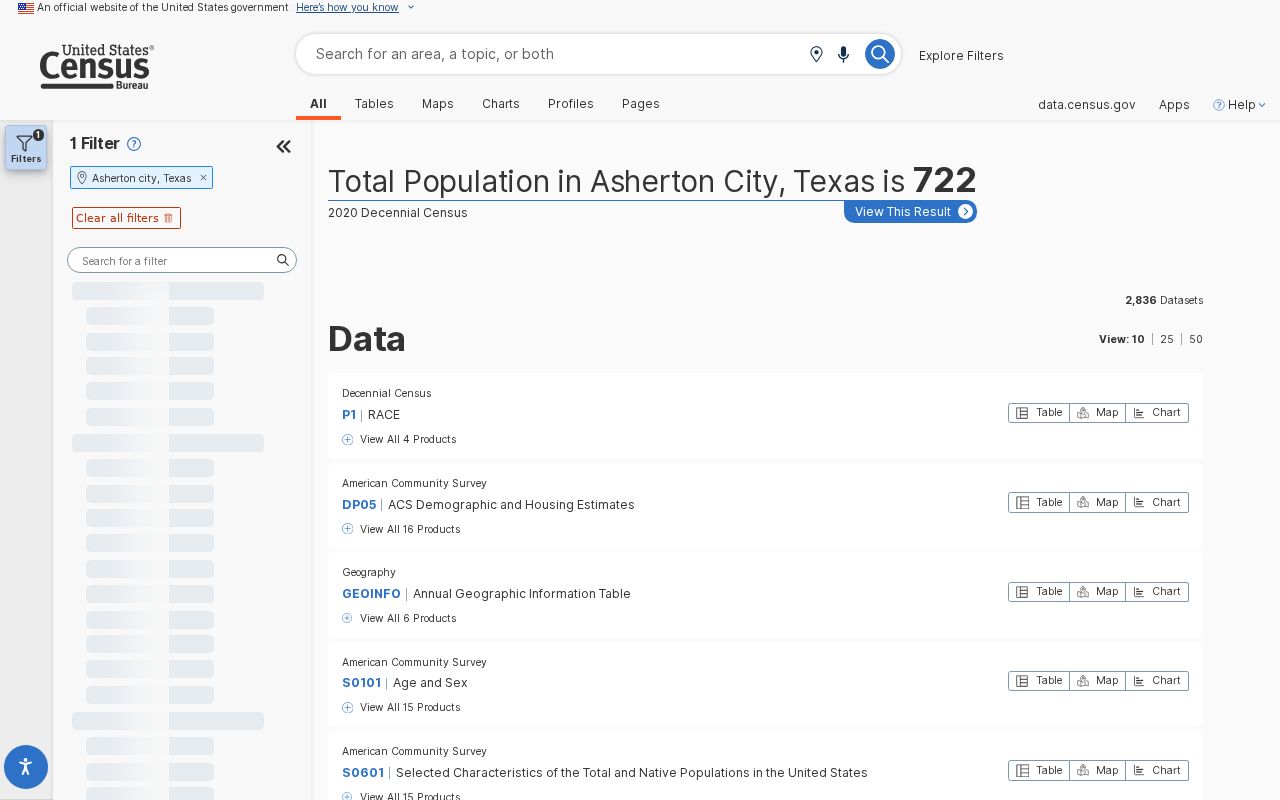
Census data helps with place context only. It cannot find a case or replace a clerk request.
For federal matters, the official PACER pricing notice covers federal access fees, not any Dimmit County state-court charge.
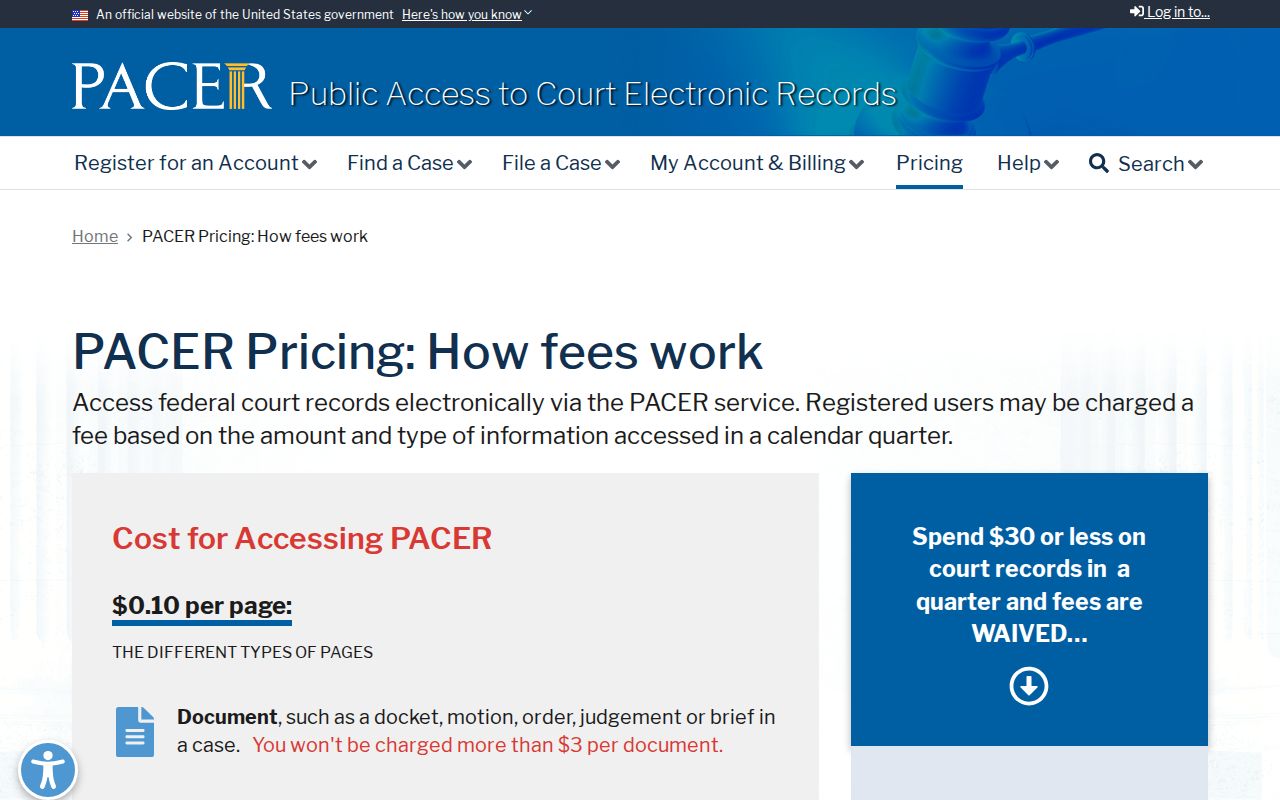
Federal cases stay in Western District PACER or with the federal clerk. They do not sit in re:SearchTX or with a Dimmit County clerk.
Public Access and Sealed Records
Texas treats judicial records differently from ordinary agency records. Rule 12 governs covered judicial records, while Government Code Chapter 552 still applies to qualifying nonjudicial county material. Sealing has its own path: Texas Rule of Civil Procedure 76a covers civil records, and Family Code Chapter 58 governs juvenile confidentiality. Protected personal data may require redaction.
Key rules:
Texas Judicial Branch open-records policy explains the Rule 12 route.
Government Code Chapter 552 preserves the judiciary boundary and confidentiality rules.
Civil Procedure Rule 76a governs covered civil sealing.
A Dimmit County file that comes back blank or thin deserves a second, sharper question. Ask the clerk if a public redacted copy exists. If a Rule 12 request gets denied, keep the written reason and the appeal information.
Existing Dimmit County Court Records
Ask the Dimmit County clerk only for records that already exist. A docket sheet fits, and so does a filed motion, a signed order, or a judgment. Filings inside a stated date range work too. Staff will not build a report or interpret a filing. Nor will they hunt for facts that back up your side. When the clerk points to a judge as the Rule 12 custodian, send the written request there instead. That line keeps three things apart. One is a routine court record order. Another is a judicial administrative-record request. The third is a Public Information Act request for nonjudicial county business.
One more move helps. If only part of a document is protected, ask for a public redacted copy. Ask for that rather than a closed file.